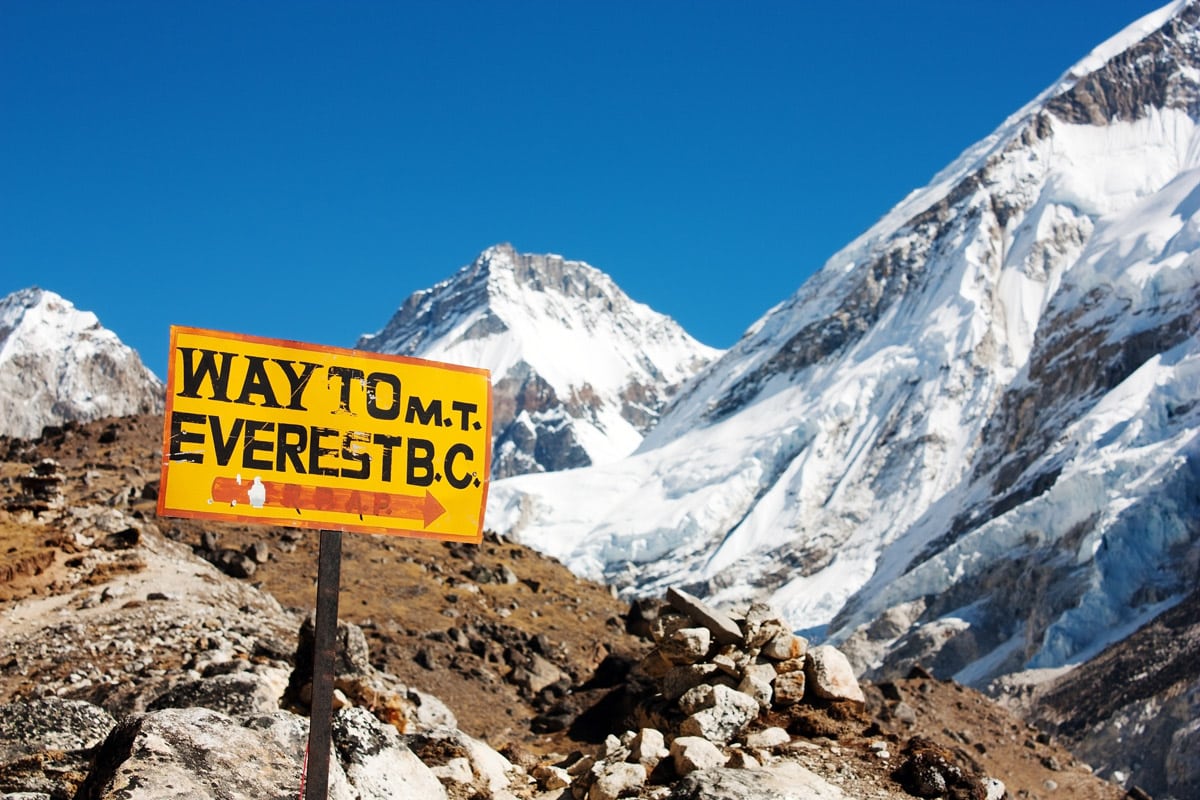
Gokyo Valley Trek

  • Duration 12
  • Destination Nepal
  • Trip Grade Medium
  • Starts at Kathmandu
  • Ends at kathmandu
  • Meals Breakfast, Lunch, Dinner during the trek
  • Accommodation in city 3 Star Hotel During trek Tea House Or Lodge
  • Max. Altitude 5360 m
  • Activity Sightseeing and Trekking
  • Group Type private or Group
  • Group Size 01-10
  • Best Season Autumn and Spring
Highlights
  • A thrilling flight to Lukla, offering breathtaking aerial views of the eastern Himalayas.
  • Follow a less crowded trail through the rich flora and fauna of Sagarmatha National Park and along rugged cliffsides.
  • Trek across icy rivers, rocky glacier debris, and glacier moraines at higher elevations.
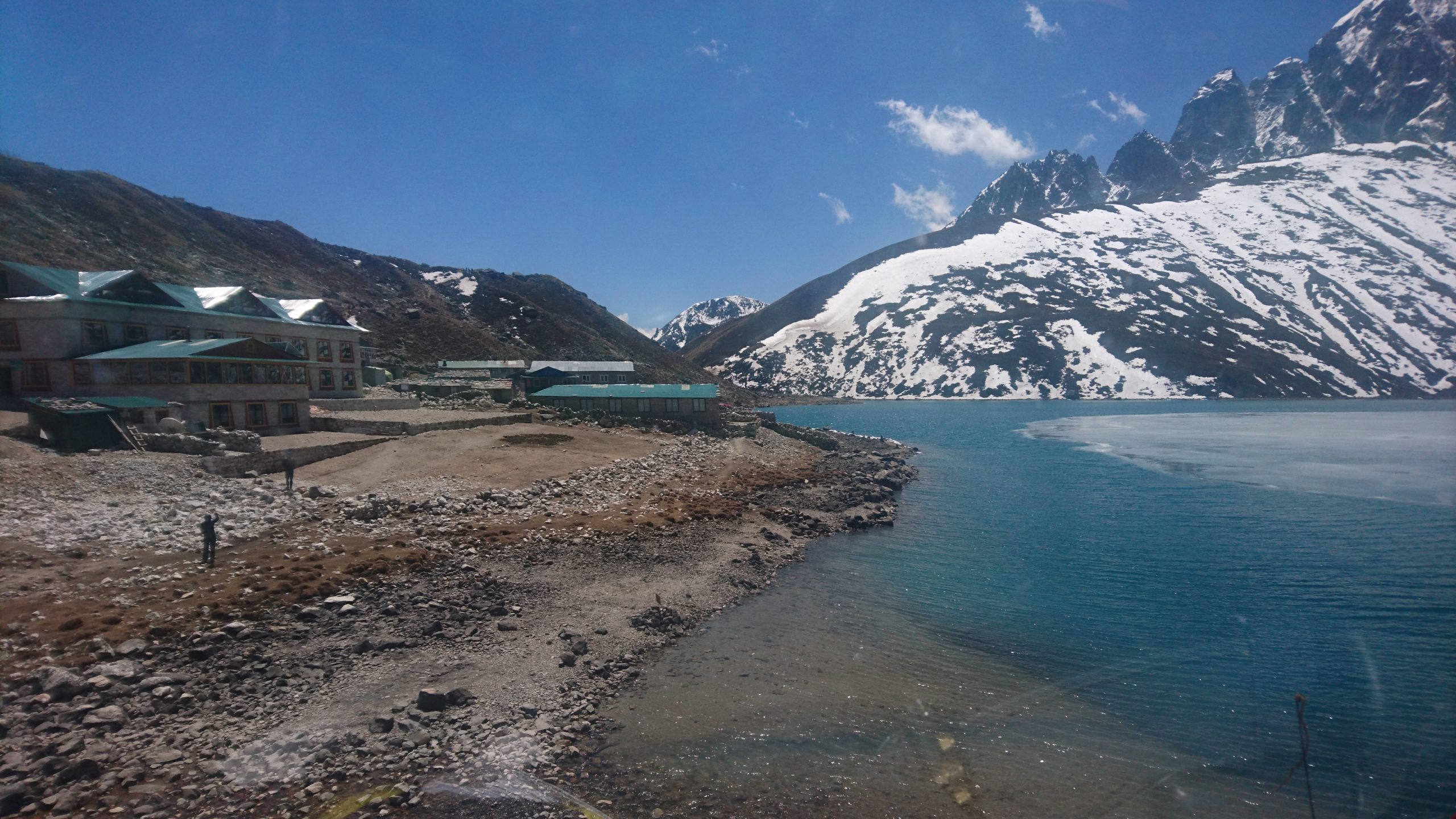
  • Discover the hidden gem of the Everest region, the stunning Gokyo Lakes.
  • Spend nights in picturesque Sherpa villages and experience their unique mountain lifestyle firsthand.
  • Enjoy ample acclimatization days with thrilling side trips to Hotel Everest View, Machhermo Ri, and Gokyo Ri.
  • Experience diverse landscapes and awe-inspiring views of towering mountains like Everest, Lhotse, Cho Oyu, and Makalu.
  • Immerse yourself in the serene beauty of your surroundings and savor the tranquility of the mountains.
  • Encounter Nepal’s largest glacier, Ngozumpa Glacier, with its striking icy ridges.

Gokyo Valley Trek Overview

One of the foremost well-known trekking goals within the Everest area is the Gokyo Valley Trek. It’s also considered a typical trek and is suitable for everybody. There are a total of 19 Gokyo lakes within the Gokyo Valley trek, and every one of them is part of the freshwater system. After we finish Gokyo Lake, we are able to see the Gokyo Ri, which is the highest hill at 5357 m that proudly stands straight towards Mount Everest.

On the Gokyo Valley Trek, we are able to experience the culture of the famous Sherpas and learn first-hand about their renowned mountaineering skills, fascinating culture, and way of life. The beauty of mountains, lakes, glaciers, and ridges can be experienced with the Gokyo Ri Trek. Trekking in Gokyo valleys offers a great opportunity to view the Ngozumpa Glacier, known as the biggest in Nepal’s Himalaya. Gokyo’s fifth lake track is famous for large views of various mountains, including Mt. EverestCho-OyuLhotse, and Makalu, which can be seen clearly from Gokyo Ri above Gokyo Lake. You might even spot the elusive snow leopard!

We begin our 13-day trip in Kathmandu with a visit to UNESCO World Heritage sites before heading to the most beautiful and challenging experience of the Gokyo Valley Trek.

If you like a touch of a challenge, we are glad to organize this Gokyo Ri Trek for you, making it a highly recommended life experience.

Day to Day Itinerary
Expand all

Upon your arrival at Kathmandu International Airport, Our representatives will warmly greet you and transfer you to your designated hotel in Kathmandu. If you arrive in the morning, you’ll have the rest of the afternoon free to relax and unwind.
In the evening, we will hold a meeting for a trek briefing and discussion, where you’ll be introduced to your trek guide.

  • 3 Star hotel
  • Breakfast

Today would be the most exhilarating day where you will be introduced to the most pious Hindu and Buddhist religious places that are listed in the UNESCO World Heritage sites and elucidate you to the entire mysticism over its existence: Pashupatinath temple, Boudhanath stupa, Patan Durbar Square, and Swayambhunath stupa.

  • 3 Star Hotel
  • Breakfast

Enjoy the most scenic 40 min flying in a twin-otter plane to a small airport at the elevation of 2,840m. We head towards a three-hour easy walk on the legendary trekking trail through the cultured Sherpa village with its exceptional beauty and the view of stunning Dudh Koshi gorge, landscape, and the deep valley is unique. Overnight stay at Phakding.

  • Tea house or lodge
  • Breakfast ,Lunch ,Dinner

Today we will be heading towards the major Sherpa settlement Namche Bazaar. It is also known as the gateway to Mt Everest. This village has modern facilities, including luxurious hotels, restaurants, bakery cafes, etc. We will also pass through different beautiful settlements including Monjo, Benkar, Jorsole, and Chimoa. We will enter into Sagarmatha National Park permit checkpoint. Overnight at Namche Bazaar.

  • Tea house or lodge
  • Breakfast ,Lunch ,Dinner

Today we will spend resting or hike uphill to the village of Khunde and Khumjung. You will find government offices, Internet cafes, shops, and a colorful market. Visit a monastery and Hillary school. Visit the Everest National Park for some of the best glimpses of Mt Everest, Lhotse, Kongde, Ama Dablam, Thamserku, etc. Overnight at Namche Bazaar.

  • Tea house or lodge
  • Breakfast ,Lunch ,Dinner

On this day, we will climb alongside the Dudh Koshi River until Phuke Tenga and then follow the trails up to Tengboche. You will pass through pine forests and cross many suspension bridges. After reaching Tengboche, you can visit the Tengboche monastery. Overnight stay at Tengboche.

  • Tea house or lodge
  • Breakfast ,Lunch ,Dinner

On this trek, the mountain range gets closer as you walk further. This journey rewards us with tremendous views of Mt Everest, Ama Dablam, and Lhotse. The trek moves ahead towards the Lobuche River, Imja Valley, and ultimately begins climbing up to Dingboche. Overnight at Dingboche.

  • Tea house or lodge
  • Breakfast ,Lunch ,Dinner

(Day trip to Chhukung) Dingboche is a famous stop for trekkers and climbers headed to Mt Everest, Imja Tse, or Ama Dablam. You can explore Sherpa people and lifestyles. Visit Dingboche Monastery or take a short hike to Nagarjuna hill, Ama Dablam base camp, or Chukhung Ri. Overnight at Dingboche.

  • Tea house or lodge
  • Breakfast ,Lunch ,Dinner

On this trek, we will walk along the highland and plain terrace to get to Lobuche. You can see the memorial cairn built in the memories of departed Sherpa and other trekkers. Enjoy the view of Mt Pumori, Khumbuste, and Lingtren. Overnight at Lobuche.

  • Tea house or lodge
  • Breakfast ,Lunch ,Dinner

Today we will head towards the settlement of Gorak Shep. Enjoy great views of Mt Everest, Mt Pumori, and Mt Nuptse. After some hours of walk, reach the base camp of the world’s highest peak. Enjoy the view of Khumbu glacier. Overnight at Gorakshep.

  • Tea house or lodge
  • Breakfast ,Lunch ,Dinner

We will begin our hike early in the morning, trekking toward the summit of Kala Patthar, which means “black rock” in the local language. This is the perfect spot for a sunrise view. From the top, we’ll enjoy a stunning 360° panorama of the surrounding mountains, including a breathtaking close-up view of Mount Everest. Below, the Khumbu Glacier stretches out, deep and formidable. The view of Mount Pumori is particularly impressive, along with nearby peaks like Nuptse, Ama Dablam, Thamserku, and many others. After taking in these sights, we will return to Gorak Shep and board a helicopter for the flight back to Kathmandu, where you’ll be treated to sweeping aerial views of the Gokyo Lakes, surrounding peaks, and the magnificent landscape. The night will be spent at a hotel in Kathmandu.

  • 3 Star Hotel
  • Breakfast

Your wonderful adventure in Nepal comes to an end today. We wish you all the best. A representative from our comapny will take you to the airport approximately 3 hours before your scheduled flight.

  • 3 Star Hotel
  • Breakfast

Our team guides, porters and accompanying staff are locals with a broad knowledge about each and every location that we travel through.

Cost Includes
  • All airport pick up / drop off and hotels transfers as per the itinerary.
  • Hotel in Kathmandu with breakfast as per the itinerary.
  • Everest national park permit.
  • Khumbu Entrance Fee.
  • Khumbu VDC entrance fee.
  • One porter for each two people.
  • Accommodation in tea houses twin sharing (private room/ Shared bathroom).
  • 3 Meals a day – breakfast, lunch, Dinner during the trek (Anything from the menu).
  • Flight ticket (Kathmandu-Lukla-Kathmandu).
  • Sightseeing tour car A/C with driver.
  • Farewell dinner at Nepalese cultural restaurant after the trek in Kathmandu.
  • All taxes and Company service charges.
Cost Excludes
  • Nepal Visa fee (bring accurate USD cash and two passport size photographs).
  • International airfare to and from Kathmandu.
  • Lunch and Dinner in Kathmandu.
  • Monument sites entrance fees while sightseeing in Kathmandu.
  • Excess baggage charges.
  • Extra night accommodation in Kathmandu because of early arrival, late departure, and earlier return from the mountain (due to any reason) than the scheduled itinerary.
  • Travel insurance.
  • Personal expenses (phone calls, internet / Wi-Fi, laundry, bar bills – tea/coffee, hot chocolate, juice, beer, battery recharge, extra porters, bottled or boiled water, shower etc.).
  • Tips for porters (Tipping is expected, but not compulsory).
  • Tips for porters.
  • Travel and rescue insurance.
Departure Dates
Useful Info

Physical Fitness

Many people have questions as to what level of physical fitness is required for visiting Nepal, and that is extremely reliant on what activity the visitor is engaging in. With that said, for a standard trek of moderate grading (Everest Base Camp Trek is an example of moderate) the daily activity will be 7-8 hours, and elevation will generally not exceed 5,500 meters. The day’s trekking is sustained and will involve both long steep climbs, and descents with a variety of terrain underfoot from well-trodden paths, to rocks covered with ice or snow. A typical day would include a number of climbs or descents of 500 meters or more, starting after breakfast, resting at lunch, then continuous trekking until arriving at the teahouse.

In preparation for the trek, it is important to begin a training requirement at least 4 months before departing for Nepal. Three to four hours of aerobic exercise like running, walking, swimming, cycling & some gym work per week is the minimum and most will find it beneficial to add some basic strength training to their physical fitness routine. One of the best ways to prepare is to take practice hikes with a daypack roughly the same weight as what you will be taking on the trek. Do this only after a baseline of fitness has been reached. Moving fast is not the end goal, rather endurance is the focus, and will provide a more enjoyable and safe adventure.

Trekking Seasons in Nepal

There are two main seasons in which Nepal sees the most amount of visitors. Fall (September through November) being the most popular, and spring (March to May) coming in close behind. The summer months of June, July and August are the monsoon season and as such the trails are mostly washed out, and roads can sometimes be impassible due to landslide activates. Not to mention the view is non-existent. Still, there are a few places that lie in rain shadow areas and see significantly less rain if any at all, and summer can be a good time to visit these places.

Winter in Nepal is dry, with very cold nights where temperatures can drop to -20°C at the highest altitudes, but the days are pleasant and sunny. Additionally, the trails are much less crowded during this time of year. In Kathmandu, maximum daytime temperatures reach around 20°C.

Fall is the most popular because it’s after the monsoons, and the air is dry, the days are sunny, and everything is green in the lower valleys from the excessive rains. Spring is a popular choice because some rain returns, but the weather is generally warm and dry, and flowers are in bloom in the lower elevations.

Trekking Day

A typical trekking day begins with a cup of tea at around 6 in the morning. It is advised to pack your trekking gears in a duffle bag and essential supplies in your day pack in these early hours. After having breakfast, we begin the trek and head along the trail at around 8 am. The morning walk is designed to be longer as we begin with refreshed bodies and enthusiasm. Following a good morning’s walk, we make stop for lunch at around 11.30 am. The lunch involves group meals enjoying the vicinity around the stop. You can explore the surrounding or use the time according to your own consent. After resting for about an hour or two, we resume our trek to reach teahouse or camp by 3-4 pm. The afternoon walk is relatively shorter and can involve games and side trips as organized by the trekking guides. You also can enjoy breaks during the trek to relax, read or stroll around the area. You can converse with the local people and observe their lifestyle. Dinner is served around 7 in the evening to round off the day.

Meals and Accommodations

During the length of the trek, the accommodation style is commonly referred to as teahouse. These are family-run basic lodges that fill the role of the restaurant, meeting place, and boarding house for tourists. Electricity can be found in the rooms, which means one light bulb, and one or two outlets for charging electronics. The common areas are also lit by electricity. Teahouses may use solar, hydroelectric, or have electrical lines running into the village, so the commonality and availability of electricity may vary.

Most teahouses have private rooms, though if the trek is in a more remote or high altitude place dormitories are the norm. Each room has 1 or 2 single beds with basic bedding, and the bathroom is shared. Expect a mix of western and squat style toilets in the bathrooms.

Breakfast and dinner are taken at the teahouse and these lodges have large family style dining rooms centered on a stove to provide heat. The menu will have Nepali style western foods such as pasta, pizza, pancakes, burgers, and fries. Also on the menu is the traditional Dal Bhat meal. This is a lentil soup with rice and vegetable or meat curry. Most menus will also offer a smattering of local cuisine.

Internal Flight Delays

Nepal is an incredible country of mountains and valleys, rivers and green rolling hills. With this incredible diversity of landscapes, road travel can be extremely time consuming and flights within Nepal to reach popular trekking destinations is a must. Along with this mountainous terrain also comes the possibility of in climate weather. Not to mention the incredibly high number of visitors during peak seasons makes internal flight delays a very real possibility. To manage this possibility, it may be helpful to have a few extras days on either end of your tour. If any cancellations or flight delays do occur (high chances of flight delays from around Kathmandu to Lukla, Everest region), we also provide services to arrange helicopter to help you to be on your schedule on the premises of Civil Aviation Rules in Nepal which state that helicopters can fly if the visibility is 1500m. The cost ranges from USD350 to USD650 according to the number of passengers. The payment can be made either to the helicopter company or to us directly and can be made either by cash or using a credit card. It will also be helpful to purchase and review your insurance as some of the alternative measures for travel may be covered. Flight insurance too may cover changing your international flight if necessary.

Travel Insurance

Many expeditions and tours require that travel insurance is purchased prior to arriving in Nepal, but other treks and tours may not. However, travel insurance is definitely an important consideration. There are a number of reasons to consider insurance. Firstly, it may be required, so check to see what is being asked for by the company. Second, Nepal is a landlocked country, and there are few direct flights. Travel in and out can encounter some disruptions and if purchasing insurance, make sure flight delays and cancellations are included. The next reason to choose insurance is that, though every safeguard is in place during your tour, there are always extenuating circumstances that may result in an accident. Read the fine print of insurance policies to ensure trekking or any other activity you are engaging in is covered, as some policies have stopped covering trekking in certain places. It is impossible to have a relaxing trip without the comfort of good insurance, so do the research and choose carefully.

Nepal Visa Entry Procedure

For entry into Nepal, there are visa requirements everyone (except Indian nationals) must complete before being allowed to pass through immigration. This is for air travel as well as overland transportation. Most visitors may obtain a visa to enter Nepal, however, there are exceptions.

Three options are available for entry

15-day single entry: US $30

30-day single entry: US $50

90-day multiple entries: US $125

Please have a passport valid for at least 6 months from the time of entry, and have cash ready, preferably in US dollars, though there are other currencies Nepal Immigration accepts. If you are entering via overland, you must have US cash and 3 passport photos. For arrival by air, the kiosks at the airport take your picture for you.

For the most up to date list of exceptions for visa on arrival or to obtain the most current visa information, visit the Nepal Department of Immigration website.

Acute Mountain Sickness (AMS)

Acute Mountain Sickness is usually seen in un-acclimatized people shortly after ascent to high altitudes. The condition occurs due to the thinning of air as the altitude increases. The condition, if not taken seriously and treated immediately, can be life-threatening and its symptoms can be seen generally above 3000 meters. Some of the symptoms of AMS are nausea, vomiting, tiredness, shortness of breath and cerebral pain. The treks are designed to properly acclimatize you to the change in high altitude climate and sufficient precautionary measures too are taken to take utmost caution. We also equip our staffs with cell phones and satellite phones in occurrence of any emergency cases. We are greatly driven to keep the safety and security of our clients as our foremost concern.

Drinking Water

Water is essential for life, and clean water is imperative while on holiday. When choosing to visit less developed countries it is a concern that all travelers should consider. A few options are available when trekking or traveling in Nepal that will mitigate any chances of drinking contaminated water which could cause disruption of an otherwise fun adventure. The first consideration to take into account is that tap water should not be ingested. That even means when brushing your teeth. Most will choose to buy bottled water and if doing so make sure the cap has not been opened previously. Plastic bottle refuse is a problem, and with that being said there are other options on the market to assist in making water drinkable. Your local outdoor store can help with choosing what option might be best to use in conjunction with a reusable bottle. Your guide can also steer you to water that has been filtered and purified so ask him or her what is available.

Arrival Instruction

Upon your arrival at Tribhuvan International Airport, our company representatives are stationed to welcome you to the country. We request you to carefully look for your name being held by our representatives following the events upon landing. The representatives are responsible to escort you to your hotel in Kathmandu. You will see men offering you to carry luggage and take you to your destination as you exit the airport. We request you pay no attention to these people and follow the designated representatives and follow their instructions. You will also need to keep an eye on your luggage and belongings to avoid any complications.
Equipment List

Gokyo Valley Trekking Packing Lists

Clothing
The climate in the Annapurna region is unpredictable, so it’s essential to pack adaptable and durable clothing layers.

Base Layers
• 2-3 thermal tops (moisture-wicking)
• 2 thermal leggings for layering

Insulating Layers
• Fleece jacket or pullover
• Down jacket (essential for cold nights; 600-800 fill power recommended)

Outer Layers
• Waterproof and windproof jacket (Gore-Tex or similar)
• Waterproof trekking pants

Trekking Clothes
• 3-4 moisture-wicking t-shirts (long and short sleeves)
• 2-3 pairs of trekking pants (lightweight and comfortable)
• Lightweight gloves (for mild conditions)
• Insulated gloves (for cold weather)
• Warm hat/beanie (covers ears)
• Sun hat or cap (for UV protection)
• Neck gaiter or buff (protection from wind and dust)

Footwear
Since your feet will handle most of the effort, it’s wise to invest in high-quality footwear.
• Waterproof trekking boots (well broken-in)
• 3-4 pairs of trekking socks (moisture-wicking)
• Camp shoes or sandals (for use at teahouses)
• Gaiters (optional but useful in snow or muddy conditions)

Gear and Equipment
The right equipment will enhance both the safety and comfort of your trek
• Backpack (30-40 liters if you have a porter; 60-70 liters if self-carrying)
• Rain cover for backpack
• Sleeping bag (rated to at least -10°C; can be rented in Kathmandu)
• Sleeping bag liner (for added warmth and hygiene)
• Trekking poles (collapsible and lightweight)
• Headlamp (with extra batteries)
• Water bottles (2 liters total capacity)
• Water purification tablets or filtration system
• Sunglasses (UV protection)
• Microspikes (if trekking in winter/snowy conditions)

Toiletries and Personal Items
Maintaining personal hygiene is essential, particularly in remote regions
• Quick-drying towel
• Toothbrush, toothpaste, floss
• Biodegradable soap and shampoo
• Sunscreen (SPF 50+)
• Lip balm with SPF
• Wet wipes and hand sanitizer
• Toilet paper (carry your own)
• First aid kit (include altitude sickness medication like Diamox)
• Feminine hygiene products (if applicable)

Reminder: Guides carry medications and first aid kits during the trip, but bringing a personal kit and any necessary medications is highly recommended for your convenience and specific needs.

Snacks and Extras
• Energy bars, chocolates, and nuts
• Electrolyte powder
• Pocket knife or multi-tool
• Camera or smartphone with extra batteries
• Power bank (solar-powered options are great)
• Notebook and pen (optional, for journaling)

Pro Tips for Packing
• Pack light, as your porter can carry a maximum of 10-15 kg.
• Organize and protect your belongings using waterproof packing cubes or ziplock bags.
• Review the weather forecast before your trek and adjust your packing accordingly.

FAQs
Expand all
  • Our Gokyo Lake trek itinerary is 13 days long, including your arrival and departure in Kathmandu. The itinerary is customizable, allowing you to shorten the trek or combine it with the Everest Base Camp trek if desired.

  • The Gokyo Lake trek is considered challenging. It takes you through rugged, steep terrain in a more remote part of the Everest region, with fewer trekkers. The route includes navigating gorges, glaciers, and demanding ascents, making it a physically demanding adventure.

  • You can reach Gokyo Lakes by either taking a direct helicopter flight from Kathmandu or flying to Lukla and trekking for four days. Alternatively, you can take a helicopter flight from Lukla to Gokyo Lakes, which reduces the trekking time significantly.

  • Yes, you can see Mount Everest from Gokyo Ri. In addition, the trek offers a breathtaking panorama of other majestic peaks like Makalu, Cho Oyu, Lhotse, and Kanchenjunga.

  • Yes, you will need a guide for the Gokyo Lake trek, as solo trekking is banned in Nepal starting from April 1st, 2023. A guide is required for safety and to navigate the trails.

You May Also LikeSimilar Itineraries
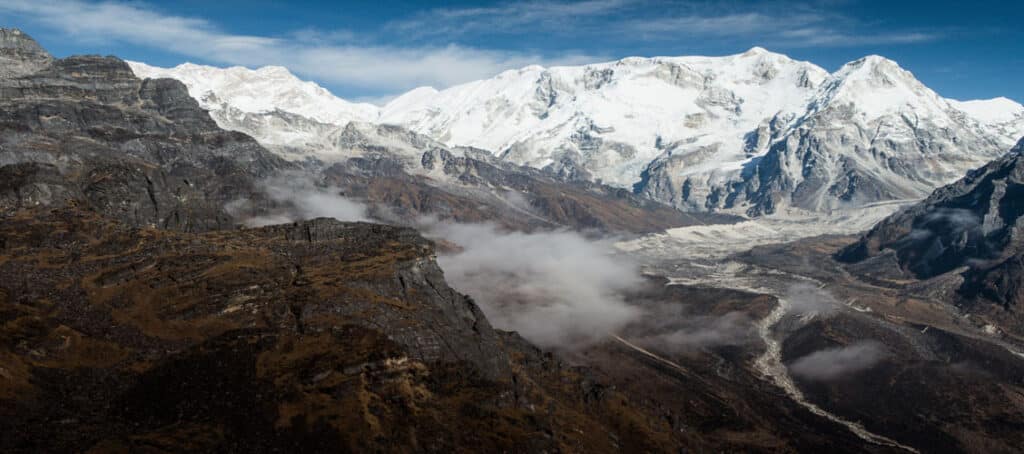
Kanchenjunga Base Camp Trek
Difficulty: Hard 24 Days
Max. Height: 5143 m

US $$2500

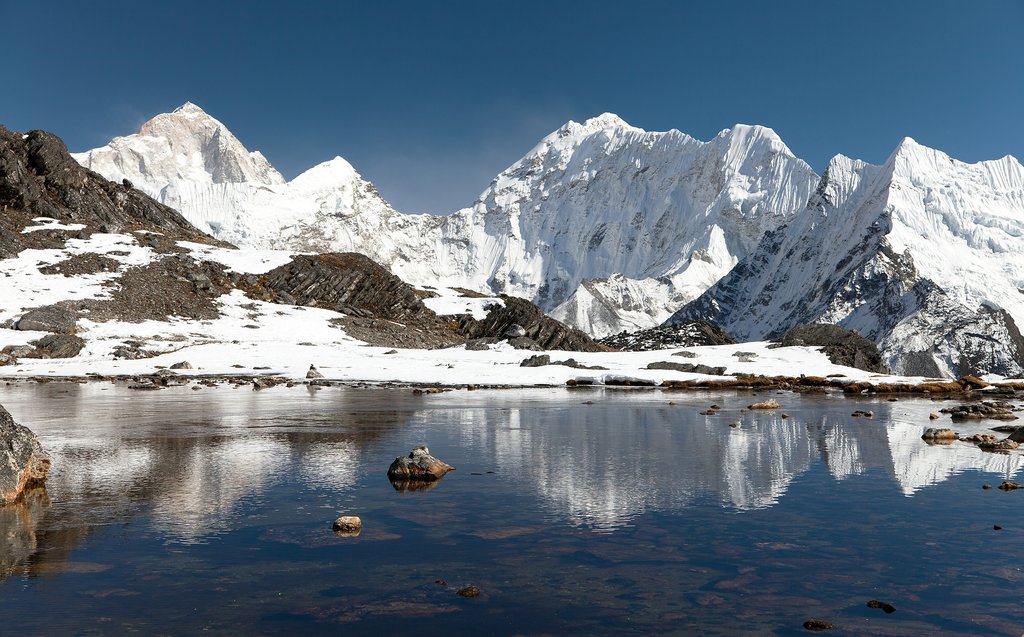
Makalu Base Camp Trek
Difficulty: Moderate 22 Days
Max. Height: 4870 m

US $2,900

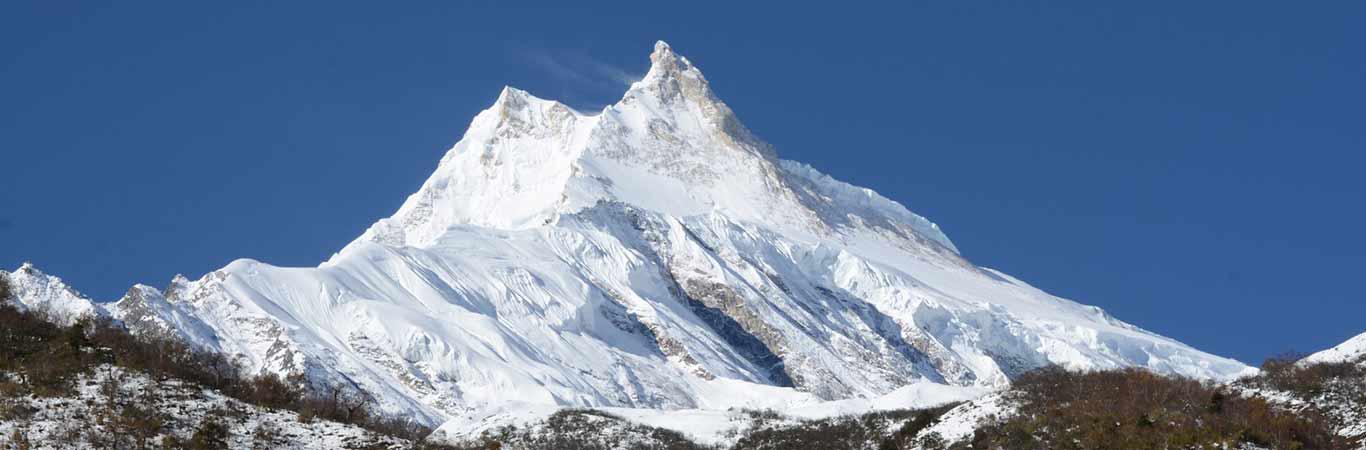
Manaslu Circuit Trek
Difficulty: Moderate 15 Days
Max. Height: 4500 M

US $$1,475

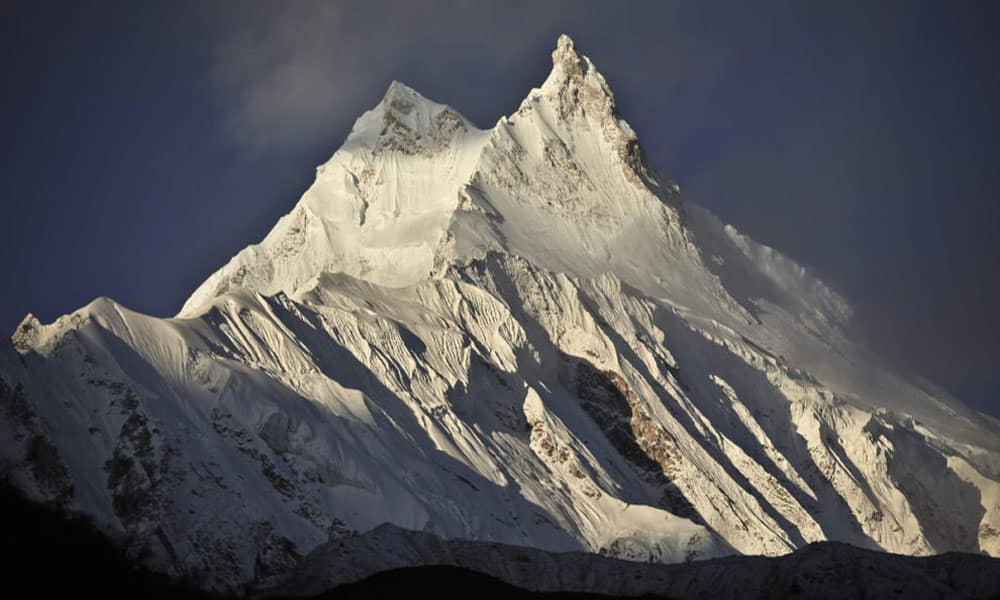
Manaslu Tsum Valley Trek
Difficulty: Medium 16 Days
Max. Height: 3790 m

US $1,750

Everest Base Camp Trek
Difficulty: Moderate 15 Days
Max. Height: 5545 m

US $1499

Everest Base Camp Short Trek
Difficulty: Hard 12 Days
Max. Height: 5545 M

US $1199